We have a fresh new look! What do you think? Tell us here.
 | |||||||||||||||||
In This Issue:
|
| ||||||||||||||||
7 No-Fail Steps for Exercise SuccessCome January 1, we all have the same resolution: Exercise more. And while it can be tough to keep that resolution, with some surefire strategies, you can keep moving and stay on top of your blood-sugar levels. When you start an exercise program, it's common to have nagging doubts—it's too hard, you're not good at it, you're too out of shape. If you need help, here are seven steps to staying focused and confident:1. Make it fun. Some people think exercise has to be unpleasant to do any good. Forget about that whole "no pain, no gain" philosophy. You're more likely to stick with activities you enjoy—like seeing what's going on in your neighborhood during your walks, or you feeling like a kid on your bike, or you enjoying time with your workout partner. 2. Forget the old days. You may have been a track star in high school, but time to move on. Setting expectations that high can only lead to disappointment. Dwelling on how your body's changed will only make you see setbacks. Instead, get in touch with reality and focus on what you can do today. Small gains will keep you motivated to do more. 3. Set firm goals. It helps to have goals, especially clear, immediate ones. Keep your goals specific and oriented toward what you will actually do, not where you'll end up if you do it. Saying "I'll run five minutes longer next time" is better than "I want to be able to do five miles by the holidays." 4. Be your own benchmark. Pay no attention to the next person's washboard abs or buns of steel. What you're doing has nothing to do with anybody but you. Stay focused on your goals. If you achieve a small success, even if it's just walking three times this week instead of twice, then celebrate! 5. Make a note of it. Tracking your progress in a notebook—or simply on a calendar on the fridge—can help you realize how far you have come. If you're walking or running, record your time or distance. If you're resistance training, jot down how much weight you're lifting and how many reps you're doing. Just keep it simple. 6. Get friends involved. Try to enlist likable companions as workout partners. With a buddy to back you up, you'll have support—maybe even a bit of competitiveness to spur you on. You're also more likely to stick to an exercise schedule if skipping a workout means letting down a friend. And don't forget the value of having someone nearby if your blood sugar crashes. 7. Keep your priorities straight. Life is about choices. And what's really more important: watching a Kardashian rerun or fulfilling your exercise quota for the day? In the short run, exercise can boost your energy and make you feel great. In the long run, it can save your life.
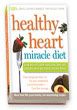
New Scientific Breakthroughs Slash Heart Attack Risk in HALF The medical community is simply astounded. New research is proving – in study after study – that eating a low-fat diet is completely ineffective in protecting against a heart attack. That's because all the heart-healthy evidence points to the fact that we need to eat fat to lose fat!
Splurge on steak for the protective power of protein! Eat shrimp and cool down artery inflammation! Snack on chocolate – it's not just permitted – it's essential.
Find out how you can halve your risk of a heart attack by adding the right fats to your diet – click here now.
Makes 24 kebabs Ingredients: Preparation: Per serving (two kebabs): 88 cal, 3 g fat (1 g sat), 6 g carbs, 9 g protein, 1 g fiber, 43 mg chol, 54 mg sodium SPECIAL OFFER "BOOST your brain power to be as sharp and quick as it was at 30" If you've ever asked yourself: "Am I losing it?" then like millions of other Americans over 50 – it means you've probably begun to notice that 'things upstairs' somehow don't seem quite as sharp as they once were. However, the very fact you've noticed can only be a good thing. Recognition provides you with an amazing opportunity to take control. You can now help STOP and REVERSE the effects of aging on your brain. Read more here…
9 Questions to Ask Your Doc 1. How often should I check my blood sugar? 2. How and when do I take my medications? 3. Is there a generic version of my medication? 4. What side effects could I experience? 5. What sort of eating plan should I follow? 6. Can I drink alcohol? 7. Should I avoid certain foods? 8. Am I cleared for sports and exercise? 9. Can I reduce any of my medications?
|
| ||||||||||||||||
| |||||||||||||||||




 Greek Meatballs with Lemon Dip



 This really works.

0 comentarios:
Publicar un comentario