We have a fresh new look! What do you think? Tell us here.
 | |||||||||||||||||
In This Issue:
|
| ||||||||||||||||
Dive In! The Water's Nice (and Healthy)Ahhh, there's a chill in the air. That means it's time for a swim—indoors, of course. Join a gym or YMCA with a pool, especially if you're just starting an exercise plan, because swimming is an ultra-low-impact way to get in shape.If you're overweight, or if you have joint or balance problems, foot pain from nerve damage, or other physical limitations—all of which are common among people who have diabetes—the swimming pool is a great place to get active. Because your weight is "reduced" by 90 percent in the water, swimming lets you swim longer and allows for greater flexibility. It's excellent aerobic exercise with an added benefit over walking: It exercises both the upper and lower body. Now, dive into some swimming know-how. Splash in class. A water aerobics class may be the best way to get a full-body workout in the pool—and you don't even need to know how to swim. If there's upbeat music playing and you're with a nice group of people, you may even feel a little bit like you're at a party. Want to get competitive? Your pool might have a recreational water volleyball team, so call and inquire. Get a leg up with a kickboard. Your buoyancy in the water is already protecting your joints from impact, but if you need even more lift, a kickboard will help. It's also handy if you're not confident of your swimming ability and want extra help in staying afloat. People who just want to exercise their legs can hold onto a kickboard and propel themselves through the water with leg power. Work up to a 30-minute swim. Swim one pool length , and then rest for 30 seconds. Or for more of a challenge, alternate swimming for 5 minutes and resting for 1 minute. At each swim session, add gradually to your distance, resting as needed, until you reach 30 minutes of total swim time. To improve your aerobic fitness, swim three times a week. Protect wounds while in the water. Swimming when you have an open wound isn't a good idea because it increases your risk of infection. Rather than skipping your aqua-workout, ask your doctor whether a waterproof bandage or another skin barrier is appropriate for your situation. Be sure to clear the bandage with the pool's lifeguard or manager before you jump in. Be extra-alert for low blood-sugar symptoms. It may harder when you're in a pool to tell if you're sweating or feeling weak so be vigilant, and get out of the pool as soon as you suspect a problem. Keep food handy. If your blood sugar drops while you're in the water, you may not have time to get out and get your snack. So keep a high-carb snack in a ziplock bag poolside while you swim. If the pool has rules against keeping food near the water, talk to the lifeguard, pool manager, or your water aerobics instructor and explain your needs. Take waterproofing precautions with a pump. Some insulin pumps are advertised as being "waterproof" (sometimes with the use of inserts to plug the vent holes), but read the instructions carefully about the limits of this protection. The waterproofing may only apply to near-the-surface use and may not apply if you're diving underwater. If you find that the tape on your infusion set keeps coming loose in the water, buy a lightweight wetsuit T-shirt to wear over the infusion set. It will prevent water from peeling up the edges of the tape. Shower immediately after swimming. Otherwise, the chlorine from the pool water will dry out your skin and might cause it to crack, which will make you more vulnerable to infection. Protect your feet. People with diabetes are prone to slower healing, and serious infections of their feet. Wearing water shoes or aqua socks when you're swimming, even in an indoor pool will help prevent injuries. Concrete floors of some pools are abrasive.
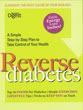
When a Doctor Says You've Taught Him Something, You Know You're onto Something Good!As you might imagine, the Reverse Diabetes team were thrilled when Dr. J. Mackee (Pasadena, CA) had this to say about our biggest selling diabetes guide of the last decade: "This book does a fantastic job covering the many aspects and considerations involved in controlling diabetes… I learned a lot." To find what breakthrough remedies Dr Mckee was talking about – along with all the treatments that your doctor may not yet know– simply read this right now!
Makes 6 custards Ingredients: Preparation: Per custard: 166 cal, 4 g fat (1 g sat), 28 g carbs, 5 g protein, 1 g fiber, 75 mg chol, 165 mg sodium SPECIAL OFFER 90% of All Heart Attacks Can Be Avoided A renowned heart specialist reveals his special treatment that scours out arteries and reduces the risk of heart attack in one week without medicine. In fact, some of his ideas are so powerful; they actually improve your heart health in 24 hours. His phenomenal ideas show you pain relievers that can harm your heart... how to cut your cholesterol by 30% and how low-carb diets may be clogging your arteries. Get the full story...
20 Ways to Eat More Cinnamon 1. Tea 2. Coffee 3. Fruit juices 4. Fresh fruit slices (such as apples, peaches, pears) 5. Yogurt 6. Oatmeal 7. Cereal 8. Toast 9. Popcorn 10. Salad dressings 11. Sautéed vegetables (such as chard, spinach, broccoli) 12. Sweet potatoes 13. Squash 14. Stews 15. Chili 16. Roasted chicken 17. Roast beef 18. Spaghetti sauce 19. Pork chops 20. Hot cider on chilly evenings
|
| ||||||||||||||||
| |||||||||||||||||




 Pumpkin Custards


 90% of all heart attacks can be avoided!

 Warm Artichoke and Bean Dip

 Tuna and Carrot Sandwich on Rye

 Seared Fish Steaks with Tomato-Olive Sauce