martes, 26 de julio de 2011

The Best Summer Snacks

Diabetes Newsletter
We have a fresh new look! What do you think? Tell us here.

 
Twitter facebook Sign-Up Tuesday July 26, 2011

The Best Summer Snacks

We've all heard the old saying "the devil is in the details." For diet planning with diabetes, those details are the snacks between meals. Those seemingly innocent handfuls of goodies can tilt your blood sugar, unbalance your calorie intake, and wreck your waistline. You don't need to abstain from snacks, just look for some low-calorie, low-GL options. In fact, your blood sugar will remain much more constant if you smartly snack between meals.

This summer, try these four snacks on for size—and you may find yourself dropping a size or two.

Low-fat mozzarella sticks. Snacks low in carbs and moderate in fat are rare, indeed. But these sticks fit the bill. They're a bit pricier than buying blocks of cheese, but the one-ounce, single-serving packaging is worth the nutritional investment.

No-salt almonds. Researchers have found that those who eat nuts about five times a week were 20 percent less likely to develop type 2 diabetes than those who didn't. Nuts blend protein and good fats, and almonds are an excellent source of vitamin E, an antioxidant that may protect against kidney damage and eye and nerve complications.

Low-fat frozen fudge bars. Cool off and get your ice cream and chocolate fix all at once. These bars are lower in carbs, fat, and calories than many similar summery treats. Look for ones with less than 100 calories and one gram of fat each.

Granola bars. A good on-the-go snack whether you're hiking on a trail or driving on vacation, granola bars provide a pick-me-up boost of energy. But (and this is a big but) you have to check the labels. Some granola bars have so much sugar and fat, they should be in the candy aisle. Look for bars with no more than 150 calories and at least five grams of protein.

Diabetes Recipes

RecipeAsian Pork & Cabbage Rolls
Crunchy water chestnuts combine with ground pork, soy sauce, fresh ginger, and five-spice powder to make a flavorful, Asian-style filling for green cabbage leaves. The rolls are steamed in a reduced-sodium broth, making them moist and tender. Serve with steamed brown rice and a simple romaine lettuce, red pepper, and onion salad for a quick family meal.

Serves 4

Ingredients:
1 pound extra-lean ground pork
1 can (8 ounces) water chestnuts, drained and finely chopped
2 teaspoons five-spice powder
1 tablespoon finely grated fresh ginger
2 scallions, finely chopped
2 tablespoons dark soy sauce
2 garlic cloves, crushed
1 egg, beaten
8 large green cabbage leaves
2 cups hot low-fat, reduced-sodium chicken broth
2 teaspoons flour
1 teaspoon chili sauce, or to taste (optional)
Curled strips of scallion for garnish

Preparation:
1    Place pork in a bowl and add the water chestnuts, five-spice powder, ginger, scallions, soy sauce, garlic, and egg. Mix thoroughly with your hands or a fork until the ingredients are well blended, then divide into eight equal portions.
2    Cut the tough stalk from the base of each cabbage leaf with a sharp knife. Place a portion of the pork mixture in the center of each cabbage leaf, then wrap the leaf around the filling to enclose it.
3    Pour the broth into the bottom section of a large steamer. Arrange the cabbage rolls, joint side down, in one layer in the top section. Cover and steam for 15 minutes or until the cabbage is tender and the rolls are firm when pressed. Remove the top section from the steamer and keep the cabbage rolls hot.
4    Mix the flour with 2 tablespoons water, then stir this mixture into the broth in the bottom of the steamer. Bring to a boil and simmer, stirring constantly, until slightly thickened. Add the chili sauce, if desired.
5    Serve the cabbage rolls with the sauce spooned over and sprinkled with curls of scallion.

Per serving (two rolls): 225 cal, 5 g fat (2 g sat), 15 g carbs, 29 g protein, 4 g fiber, 127 mg chol, 854 mg sodium

Tip of the Week

Discover the Healthier Side of Chinese Cuisine

Whether you're dining out at your local Asian place or whipping up some moo goo gai pan at home, Chinese food has such a vast variety of flavors and textures that it's no wonder folks want more an hour later. Here's the thing, though: Nowadays, the usual Chinese restaurant glops loads of sauces on often-greasy meats. Even the poor veggies are doused with the fatty sauce. Return to the traditional, healthier Chinese diet with lots of vegetables with small chunks of meat, fish, and soy foods, and follow these eight tips. 

Opt for brown rice. Many restaurants give you the option, and at home, you should have already purged the higher-GL white stuff from your shelf. Remember, white rice is a blood-sugar disaster waiting to happen. And don't eat the whole bowl or container of rice. Spoon a half-cup onto your plate and leave the rest. Or do as a native Chinese would: Put a small amount in a small bowl and hold the bowl up, using your chopsticks (or fork) to eat a little rice in between bites of your main dish. Or be bold and don't eat any rice at all.

Start with soup. Order or make wonton or egg drop soup to begin your Asian dining experience. This will take the edge off your hunger without a lot of calories (but avoid soups with coconut milk). If you want a ravioli-type appetizer, order steamed vegetable dumplings, not fried.

Steam ahead. Fried or steamed? That's the question for making or ordering almost any Chinese dish. Always, always, always go for steamed. Good entrées include steamed chicken and vegetables and moo goo gai pan—chicken with mushrooms. 

Make a request. When ordering, ask the waitperson to have your food prepared with less oil and more veggies, and get the sauce on the side. Dab just a little bit of the sauce on each bite instead of having it slathered all over your meal.

Pile on the veggies. If you really want to make the meal healthier, opt for a plate of steamed vegetables and add them to other dishes. Or ask for sautéed vegetables or Szechuan-style string beans.

Go big for bean curd (tofu). Ordering family-style? Include a heart-healthy, low-fat dish like bean curd with sautéed Chinese mixed vegetables (like other dishes, not deep-fried).

Plan on leftovers. Portions are often large. Think of about one cup of a dish (without rice) as a serving. And ask for a take-out container right away, so you can store the rest out of sight.

 
Until next issue, here's to good health!
Neil Wertheimer
Editor in Chief, Reverse Diabetes


Advertisement


Reverse Diabetes Reverse Diabetes
Eliminate the root cause of your disease with this simple step-by-step plan.
Buy Now


Editors Choice

Reverse Diabetes Healthy Heart Miracle Diet
Lose weight, look fabulous and live longer– with delicious, filling food!
Buy Now


Prevent & even undo cardiovascular disease.

       -- Healthy Heart Miracle Diet


This weekly newsletter is from Reverse Diabetes, a multimedia resource from Reader's Digest to help people with diabetes take control of their health. Look for Reverse Diabetes magazines at newsstands everywhere; Reverse Diabetes books wherever books are sold; and daily tips and conversation at www.Facebook.com/ReverseDiabetes.

View our Privacy Policy.

Unsubscribe | Subscribe | Privacy Policy

Have questions, comments, or suggestions? Email the editors today. Just click here!

Reader's Digest Association
750 Third Avenue, 4th Floor, New York, NY 10017
Copyright © 2011 Reader's Digest Association, Inc. All rights reserved.

jueves, 21 de julio de 2011

Assemble Your Own (Medical) A-Team

Diabetes Newsletter
We have a fresh new look! What do you think? Tell us here.

 
Twitter facebook Sign-Up Thursday July 21, 2011

Assemble Your Own (Medical) A-Team

Mr. T would surely pity the fools who didn't recruit all available medical professionals to help manage their diabetes. Your regular doctor may watch over your diabetes in general. But because it affects your whole body, diabetes takes your own personal A-Team to be properly managed. It's up to you to recruit the professionals you need, and when you do, you'll be more in control of your diabetes. Here are eight ways to ensure that you're getting the attention, information, and treatment that's best for you.

See a specialist. If your blood-sugar readings aren't showing any improvement, even after following your doctor's advice closely for at least 12 weeks, ask to see a diabetes specialist, also called a diabetologist. This doctor specializes in treating people with diabetes and is usually an endocrinologist. However, not all endocrinologists specialize in diabetes, so ask before making an appointment.

Get some diabetes education. Ask your primary care physician for a referral to a certified diabetes educator. This professional, usually a registered nurse, dietitian, or pharmacist, has specialized diabetes training. He or she can help you learn and apply behaviors that will help improve your blood-sugar control, answer questions about your medications, show you how to give yourself insulin shots, check your blood sugar, and more. Many are employed in a Diabetes Self-Management Education (DSME) program whose services are reimbursed by Medicare. If your doctor doesn't offer DSME in his office, call your local hospital to request diabetes education.

Check in with a dietitian. What you eat and when you eat it affects your blood sugar more than any other lifestyle choice. If you have diabetes, you need an eating plan tailored just for you to help you meet your blood-sugar goals. The person who can provide that plan is a registered dietician (RD) who specializes in helping people with diabetes. She'll help you understand healthy food choices and plan meals to fit your lifestyle. Not all registered dietitians specialize in diabetes, so make sure you are referred to one who does. Some RDs are also certified diabetes educators.

Look for an ophthalmologist. Chronic high blood sugar can damage blood vessels in the retina (the inner layer of your eye), increasing your chances of vision disorders and even blindness. You need to have an annual comprehensive eye exam with an ophthalmologist. He will dilate your pupils to get an extra-close look for any changes in your eyes. If you are referred to a new eye doctor, be sure to ask if he is familiar with spotting and treating diabetic eye disorders.

Go to the dentist twice a year. You learned when you were a kid that sugar causes cavities. Well, having high blood sugar can wreak havoc on your teeth, too. Bacteria that cause gum disease and cavities are more opportunistic—that is, nastier—when blood sugar is not well controlled. That's why people with diabetes are more prone to gum disease, which has been linked to an increased risk of heart disease. In addition to regular dental visits, you need to brush and floss daily, and give yourself a monthly checkup for any sores, tenderness, or redness of your gums.

Step up to a foot expert. It's awfully hard to imagine that a simple blister or cut could lead to foot amputation, but if the injury turns into an ulcer that becomes infected, it's all too possible. That's why it's critical to take good care of your feet. A podiatrist will check for any sores, blisters, bruises, cracks, or cuts that are resistant to healing, as well as check for tingling or numbness in your feet. He can test for nerve problems to see if you can detect different sensations. Ask your doctor how often you should see a podiatrist, and make sure to go to one who specializes in caring for people with diabetes.

Pump up with a personal trainer. More and more doctors recommend personal trainers, exercise professionals who will work with you to design a fitness program that meets your goals. But you need to express a willingness to go. If you really want to stick with an exercise program, trainers who have experience working with people with diabetes can be especially helpful. So always ask before you sign up. Your local hospital or diabetes support group can also provide a recommendation.

Seek counseling. Mental health professionals such as psychologists, social workers, or family counselors can offer support for dealing with the personal and emotional side of living with diabetes. Social workers may be able to connect you with resources such as free medication programs for people who can't afford their drugs or free transportation to doctor's appointments. Psychologists and family counselors will be able to offer individual or family counseling to help you deal with the stress and depression that sometimes accompanies a chronic disease.

Diabetes Recipes

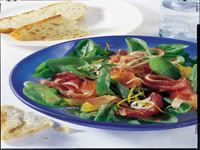
RecipeCitrus & Spinach Salad
As a perfect summertime salad, fresh leaf spinach is tossed with fruit and their juices and then drizzled with a creamy and sweet balsamic dressing. A few crumbles of prosciutto are sprinkled on top, so you get all of the flavor without adding much fat!

Serves 6

Ingredients:
Salad
2 large navel oranges
1 large ruby-red grapefruit
6 cups baby spinach leaves, washed
1 small cantaloupe, peeled and cut into bite-size chunks
4 scallions, white parts only, very thinly sliced
4 ounces thinly sliced prosciutto, cut into shreds

Dressing
3 tablespoons balsamic vinegar
3 tablespoons olive oil
2 tablespoons light cream
2 teaspoons honey
1/4 teaspoon salt
1/4 teaspoon freshly ground black pepper 

Preparation:
1    Make the dressing: Place the vinegar, oil, cream, honey, salt, and pepper into a pint-size jar or container with a tight-fitting lid. Cover and shake until well blended.
2    Make the salad: Use a citrus zester or peeler to remove fine shreds of zest from one orange. Set aside. Working over a medium bowl to catch the juices, peel the oranges and grapefruit using a serrated fruit knife; be sure to remove all of the white pith. Cut between the membranes of the fruits, lift out the fruit sections, and place in the bowl with the juices.
3    Add 2 tablespoons of the combined grapefruit and orange juices to the dressing and shake again to blend. Taste and add more citrus juice, salt, and pepper, if desired.
4    Place the spinach in a large serving bowl. Add the orange and grapefruit sections and any juices in the bowl, the cantaloupe, and scallions. Toss to evenly distribute the ingredients among the spinach leaves. Shake the dressing once more, then pour it over the salad and toss again. Scatter the shredded prosciutto over the top of the salad and sprinkle on the orange zest. Serve immediately.

Per serving: 193 cal, 11 g fat (3 g sat), 19 g carbs, 7 g protein, 3 g fiber, 21 mg chol, 471 mg sodium

Tip of the Week

5 Safe, Smart Exercise Tips

Exercise improves your body's use of insulin. In fact, putting your muscles into action is like flooring your car's accelerator—it instantly boosts the demand for fuel. Instead of gasoline, your body's high-octane juice is glucose. Exercise enough and your body will pull glucose straight from the bloodstream, meaning lower blood sugar for hours after you work out. When exercising during these summer months, take a little care with these five tips.

Drink lots of water. Lots more than you may think. Experts recommend at least one-half to one cup of water every 15 minutes. Don't wait until you're thirsty, either. If needed, set a watch that beeps every 15 minutes to remind you to sip.

Avoid hot stuff. If it's particularly hot outside, find an indoor venue for your workout—at home, in a gym, or a mall. But don't just pay attention to the temperature. Be wary of humid weather because it will be difficult for your body to cool down. Exercise indoors when the heat index (a measurement based on temperature and humidity) is 105 degrees or higher.

Breathe through hard efforts. Do you ever find yourself holding your breath while exercising? This can be dangerous, especially for people who have diabetes. Not only does it raise your blood pressure, but it also raises the pressure within your eyes and can worsen eye diseases such as glaucoma and diabetic retinopathy. When you are lifting weights or exerting yourself, make a point to exhale during the hard part and inhale as you relax.

Keep tabs on hypoglycemia. When you're physically active, it's easy to mistake symptoms of hypoglycemia for the effects of exercise. Among the signs of dangerously low blood sugar are profuse sweating, rapid heartbeat, trembling, extreme hunger, difficulty thinking, blurred vision, loss of coordination, and "just not feeling right." If you suspect you have hypoglycemia, stop exercising immediately and eat some raisins, hard candy, water with fruit juice added to it, or glucose tablets.

If you feel pain, stop. Exercise is supposed to make you feel better, not knock you flat. So, if you start to feel uncomfortable or short of breath when you are exercising, immediately reduce your degree of exertion or stop exercising altogether.

 
Until next issue, here's to good health!
Neil Wertheimer
Editor in Chief, Reverse Diabetes


Advertisement


Reverse Diabetes 30 Minutes to a Healthy Heart
A renowned heart specialist reveals his special treatment that reduces the risk of heart attack.
Buy Now


Editors Choice

Reverse Diabetes Kitchen Cabinet Cures
1,001 Homemade remedies for your good health.
Buy Now


90% of all heart attacks can be avoided!

       -- 30 Minutes to a Healthy Heart


This weekly newsletter is from Reverse Diabetes, a multimedia resource from Reader's Digest to help people with diabetes take control of their health. Look for Reverse Diabetes magazines at newsstands everywhere; Reverse Diabetes books wherever books are sold; and daily tips and conversation at www.Facebook.com/ReverseDiabetes.

View our Privacy Policy.

Unsubscribe | Subscribe | Privacy Policy

Have questions, comments, or suggestions? Email the editors today. Just click here!

Reader's Digest Association
750 Third Avenue, 4th Floor, New York, NY 10017
Copyright © 2011 Reader's Digest Association, Inc. All rights reserved.

jueves, 14 de julio de 2011

Your Instant Kitchen Makeover

Diabetes Newsletter
We have a fresh new look! What do you think? Tell us here.

 
Twitter facebook Sign-Up Thursday July 14, 2011

Your Instant Kitchen Makeover

We all love makeover shows on television. The ugly duckling gets turned into a beautiful princess. Or the too-small house is renovated so the down-on-its-luck family can have a chance at a better life. What's not to love? Makeovers have all the elements of a great story—and, of course, the big, happy reveal at the end.

Why not have your own diabetes-busting makeover? The special guest star in this makeover: your kitchen. A well-stocked, kitchen is your greatest ally to eat better and live healthier. Keeping the right foods at your fingertips lets you put together fast, blood-sugar friendly meals and grab healthy treats when you want a snack. You'll be able to enjoy food without being sidetracked by temptations that makes blood sugar spike and packs on pounds. 

The first step is to clear your kitchen of foods with too many calories, refined carbohydrates, fat, or sugar. Pick up every item; if it's unhealthy, give it away; if it's been there for over six months, throw it out. Put items that other family members eat in a  designated (and hard to reach) area. Stock up on the right edibles; you can add a few to your shopping list each week.

Let's turn on the makeover magic!

Pantry
Toss, give away, or move:
Breakfast cereals high in sugar
Cornflakes
Butter-flavored microwave popcorn
Candy
Canned fruit in heavy syrup
Cereal bars
Cookies, chips, crackers
Corn and sunflower oil
Cream soups
Non-diet soda and juice drinks
Packaged foods with hydrogenated oils or trans fats
Sugar-sweetened iced tea or lemonade
Shortening
White bread and rice

Restock with:
Applesauce
Barley
Broth, low-sodium
Cereal, 3 grams of fiber per serving
Cooking spray
Fruit, canned in juice
Garlic, onions, fresh
Legumes, canned or dried
Mushrooms
Oatmeal, rolled oats
Oils, olive or canola
Pasta, whole-grain
Peanut butter
Popcorn kernels
Potatoes, sweet potatoes, yams
Raisins
Rice, brown
Salmon, canned
Sugar substitute
Soups, low-sodium broth-based
Tomatoes, tomato sauce, no salt added
Tuna, canned in water
Vegetables, canned
Vinegars
Whole-grain breads
Whole-grain crackers
Whole-wheat flour

Refrigerator
Toss, give away, or move:
Full-fat cheeses, mayonnaise
Full-fat milk products, sour cream, yogurt
Sodas, sweetened teas, juice "drinks"
Butter, margarine with trans fats

Restock with:
Margarine, 0 trans/saturated fats
Hard cheeses such as Parmesan
Eggs and/or egg substitute
Milk, yogurt low or nonfat
Lean beef, chicken, turkey, or pork
Fruit and vegetables, assorted fresh

Freezer
Toss, give away, or move:
Breaded fish sticks, fish fillets, and chicken
French fries and potato nuggets
Full-fat ice cream
Vegetables in butter or cream sauces
Frozen dinners and snack foods
Bacon and full-fat breakfast sausage

Restock with:
Breads, whole-grain
Fruit, no sugar
Sugar-free frozen fruit pops
Chicken breasts
Edamame
Fish fillets, shelled shrimp, scallops, unbreaded
Ground turkey or lean ground beef
Meatless burgers
Vegetables, no sauce

Diabetes Recipes

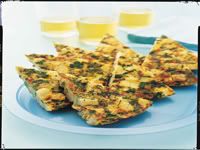
RecipePotato & Zucchini Tortilla
The tortilla, Spain's most famous tapas, or snack, is made from the simplest of ingredients—eggs, onions, and potatoes—cooked like a flat omelet and served warm or cold, cut into wedges. Like an artist on a blank canvas the tortilla begs creativity, and all kinds of extra, healthy ingredients can be added, such as asparagus, peas and mushrooms.

Serves 8

Ingredients:
1 1/2 pounds new potatoes, peeled and cut into 1/2-inch cubes
2 tablespoons olive oil
1 red onion, finely chopped
1 zucchini, diced
2 slices reduced-fat bacon, chopped
6 eggs
2 tablespoons
Chopped fresh parsley
Freshly ground black pepper to taste

Preparation:
1    Place the potato cubes in a saucepan and add water to cover. Bring to a boil, then lower the heat slightly and cook for 3 minutes. Drain thoroughly.
2    Heat the oil in a heavy 10-inch nonstick skillet. Add the potatoes, onion, zucchini, and bacon, and cook over a moderate heat until the potatoes are tender and lightly golden, about 10 minutes, turning and stirring from time to time.
3    Preheat the broiler to high. In a bowl, beat the eggs with 1 tablespoon cold water. Add the parsley and pepper to taste. Pour the egg mixture over the vegetables in the skillet and cook until the egg has set, about 3 to 4 minutes, lifting the edges to allow the uncooked egg mixture to run onto the pan.
4    When there is just a little uncooked egg on the top, place the pan under the hot broiler and cook for 2 minutes to set the top. Slide the tortilla out onto a plate or board and allow to cool for 2 to 3 minutes. Cut into small wedges and serve warm, or leave to cool completely before cutting and serving. 

Per serving: 161 cal, 8 g fat (2 g sat), 16 g carbs, 7 g protein, 2 g fiber, 162 mg chol, 95 mg sodium

Tip of the Week

Rx for Better Sleep

It may seem a hard to connect the dots between sleep and diabetes. But the quality of your sleep is directly tied to your overall health and blood-sugar levels. We might joke about someone snoring so loud it makes the windows rattle, but that could be a sign of a potentially dangerous sleep disorder called sleep apnea. When you have sleep apnea, your breathing stops or becomes very shallow hundreds of times a night, depriving your body of oxygen, increasing your heart rate, and preventing you from entering the important stage of deep sleep that restores your body and mind. Here are some ways to sleep more soundly.

Check for symptoms. When the soft tissue in the back of the throat relaxes, it blocks the passage of air until your airway opens, often with a loud choking or gasping sound. You are more likely to have sleep apnea if you snore loudly or have a large neck—women with a neck size of more than 16 inches; men, 17 inches. Other signs include waking up three or more times a night to go to the bathroom and feeling sleepy despite getting eight or more hours of sleep. Mention any of these symptoms to your doctor.

Breathe easy. A few habits before and at bedtime can lead to a better slumber. First, stop smoking; it contributes to snoring. Have a light meal or dinner and skip the alcohol at least six hours before bed. Use a Breathe Right strip, which pulls the nostrils open wider, significantly reduce snoring. They're available in team colors, so you can pretend to be your favorite athlete.

Test in the wee-hours.
If you're counting sheep by the herds, time to check your blood-sugar levels. This week, check your blood sugar more often to see if you're hitting the target goals set with your doctor. High and low blood sugar can affect sleep quality. And take one more step: Set your alarm for 3 a.m. for another check. If your levels are normal, that's great. If they're low, it might explain why you're waking up in the night. If sugar levels are below 75 mg/dL, have a small snack. Discuss any ongoing pattern of low blood sugar with your doc.

Drop pounds.
As if bathing suit weather wasn't enough incentive to shed a few pounds, losing even a little weight can improve your sleep. For instance, lose 10 percent of your body weight and sleep apnea can improve 26 percent, according to one University of Wisconsin Medical School study. And extremely overweight folks who dropped 25 to 50 percent of their body weight saw a 70 to 98 percent decrease in sleep apnea.

 
Until next issue, here's to good health!
Neil Wertheimer
Editor in Chief, Reverse Diabetes


Advertisement


Reverse Diabetes Change One
Lose weight simply, safely & forever with this 12-week eating plan.
Buy Now


Editors Choice

Reverse Diabetes Reverse Diabetes
Eliminate the root cause of your disease with this simple step-by-step plan.
Buy Now


Real food and snacks too, no deprivation at all.

-- Diane B., Brookfield CT


This weekly newsletter is from Reverse Diabetes, a multimedia resource from Reader's Digest to help people with diabetes take control of their health. Look for Reverse Diabetes magazines at newsstands everywhere; Reverse Diabetes books wherever books are sold; and daily tips and conversation at www.Facebook.com/ReverseDiabetes.

View our Privacy Policy.

Unsubscribe | Subscribe | Privacy Policy

Have questions, comments, or suggestions? Email the editors today. Just click here!

Reader's Digest Association
750 Third Avenue, 4th Floor, New York, NY 10017
Copyright © 2011 Reader's Digest Association, Inc. All rights reserved.

jueves, 7 de julio de 2011

Beat Diabetes on an Airplane!

Diabetes Newsletter
We have a fresh new look! What do you think? Tell us here.

 
Twitter facebook Sign-Up Thursday July 07, 2011

Beat Diabetes on an Airplane!

For many of us, summertime means vacation time. Get out that bright, splashy-colored Hawaiian shirt, plaid shorts, and big, floppy hat, because it's time for fun and relaxation. If you have diabetes, you need to get from point A (your house) to point R&R (your vacation getaway) in a healthy way. Diabetes doesn't limit your ability to travel. But you need to plan ahead and take precautions so that while you're getting away from it all, your blood sugar isn't getting away from you. Whether you're loading up the family wagon or hopping a jet, these 10 sensible tips will make your travel smoother and vacation more enjoyable.

Check with your doc. It's always a good idea to have a thorough exam before going on a trip. Knowing everything is fine and dandy will ease the travel anxiety you might experience before hitting the road.
Prep for security. Expect your diabetes supplies to be noticed and possibly questioned by airport security. But rest assured, the U.S. Transportation Security Administration (TSA) will allow you to board a plane with insulin, syringes, and an insulin-delivery system. You can carry lancets on board as long as they're capped and can carry a glucose meter with a manufacturer's name printed on it. At the security checkpoint, mention to the screener that you're diabetic and have your supplies. That little heads-up will make the process smoother and quicker.
Bring along scripts. While prescriptions or a doctor's letter aren't necessary when traveling, it's a good idea to have them handy. If you have them, it makes it much easier to refill any medication. Also, have your doctor provide a printout of all your medications in case you need medical attention on vacation. And also be sure that nonprescription items are clearly labeled and in their original containers.
Keep supplies close. Especially if you're traveling by plane, keep your insulin, syringes, test strips, and other supplies in your carry-on luggage and within arm's reach. You could pack extra supplies in your checked luggage, but be sure you have enough at hand to endure tarmac delays or summertime traffic jams.
Double up supplies. Bring about twice as much diabetic supplies as you think you'll need. It's easier to carry extra than to get more on the road.
Wear life-saving bling. If you don't already have one, get a medical ID bracelet or necklace that alerts people that you have diabetes and provides emergency numbers.
Pack a snack. Wherever you go, take a portable snack, such as an apple, energy bar, banana, raisins, or cheese and crackers in case your blood sugar starts to dip when you don't have immediate access to food. If you munch on snacks en route, don't forget to replenish your supplies.
Eat by the clock. When traveling, stick to your regular mealtime schedule to keep your blood sugar stable. When that's not possible, carry glucose tablets and be alert to symptoms of low blood sugar, such as nervousness, sweating, and crankiness. If you feel a hypoglycemic episode coming on while driving, pull over and take several glucose tablets. Wait at least 10 or 15 minutes for the feeling to pass before becoming a road warrior again.
Soothe your soles. Pack two pairs of comfortable shoes, so you can air out one pair while strolling around in the other. Shoes should be broken in before the trip, so leave new ones at home. Be cautious around places that can harm your tootsies. For example, wear water shoes at the beach to protect your feet from hot sand, rough sidewalks, and sharp pebbles. Bring a baggie with several sheets of moleskin and bandages as a first-aid kit for your feet.
Zone in on zones. Traveling across time zones can throw off your normal insulin and meal schedule. A good rule of thumb: When adding hours to your day as you travel west, you may need to take more insulin. When losing hours by traveling east, you may need less. And to ease into a new time zone, stick to your old schedule one evening, then switch your watch and your insulin schedule the morning after you arrive.

Diabetes Recipes

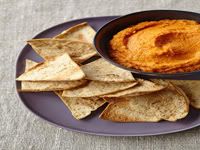
RecipeRoasted Red Pepper and Chickpea Dip with Pita Chips
The chickpea is a near-perfect food, delicately flavored and rich in protein, fiber, folate, iron, and zinc. Not only that, but the chickpea is a culinary wonder that blends well in everything from soups to salads to stews—and in this deliciously healthy dip.
Serves 12

Ingredients:
1 1/2 teaspoons ground cumin
1 can (14 1/2 ounces) no-salt-added chickpeas, rinsed and drained
1/2 cup rinsed, drained, and coarsely chopped jarred roasted red bell peppers
2 tablespoons extra-virgin olive oil
2 tablespoons fresh lemon juice
1/2 teaspoon minced garlic
1/4 teaspoon ground red pepper
2 whole-wheat pita breads

Preparation:
1    In a small skillet set over low heat, heat the cumin until it becomes fragrant, about 2 minutes.
2    Puree the cumin, chickpeas, bell peppers, oil, lemon juice, garlic, and ground red pepper in a food processor until smooth. Scrape into a container and refrigerate until the flavors are blended, about 1 hour.
3    Preheat the oven to 350°F. Coat a jelly-roll pan with nonstick cooking spray. Separate the pitas along the edges to make four flat circles. Stack and cut them into six pie-shaped wedges. Spread in a single layer on the prepared pan and bake until golden, 12 to 15 minutes. Serve with the dip.

Per serving (2 tablespoons): 33 cal, 1 g fat, 0 g sat fat, 4 g carbs, 1 g protein, 1 g fiber, 0 mg chol, 33 mg sodium, 8 mg calcium

Tip of the Week

5 Ways to Make Mexican Food Healthier

Whether you're fixing Mexican food at home or eating out at your favorite south-of-the-border-themed restaurant, dining on this ethnic fare can be a blood-sugar challenge. Portions are usually huge, with tortillas bigger than your head, and piles of white rice and cheese smothering everything. To still say "ole," here are five tips for Mexican dining. 

1. Ditch the chips. Ask the waitperson to take away the tortilla chips. As the Mexican equivalent of a big breadbasket, those chips are loaded with carbs and fat (they're fried, remember?).
2. Go soft. For your tacos or to scoop up healthy dips like guacamole, opt for soft tacos. The hard versions (or chips) are fried. Another reason to forget chips: Each one has about 1 gram or more of fat.
3. Be app smart. Fortunately, there are plenty of healthy appetizer choices for your Mexican fiesta. For example, order or make your own ceviches (marinated raw fish or seafood), and soups like spicy cold gazpacho (vegetable), black bean, and tortilla.
4. Make fajitas the main course. Made with lean beef, chicken, or shrimp and grilled with onions and peppers, fajitas don't have fatty ingredients in other dishes.
5. Opt for black beans and rice. Even if you have a sensible entrée, side dishes can bust your diet plan. Because of the beans, this dish has a lower GL than rice alone. Just make sure the beans aren't refried, because those hombres can be loaded with fat. Many Mexican restaurants offer black beans as an alternative to refried—a perfect choice.


Until next issue, here's to good health!
Neil Wertheimer
Editor in Chief, Reverse Diabetes


Advertisement


Reverse Diabetes Healthy Heart Miracle Diet
Lose weight, look fabulous and live longer– with delicious, filling food!
Buy Now


Editors Choice

Reverse Diabetes Mind Stretchers
Entertain your brain!
Buy Now


Prevent and even undo cardiovascular disease, while you easily shed dangerous belly fat.

-- Healthy Heart Miracle Diet


This weekly newsletter is from Reverse Diabetes, a multimedia resource from Reader's Digest to help people with diabetes take control of their health. Look for Reverse Diabetes magazines at newsstands everywhere; Reverse Diabetes books wherever books are sold; and daily tips and conversation at www.Facebook.com/ReverseDiabetes.

View our Privacy Policy.

Unsubscribe | Subscribe | Privacy Policy

Have questions, comments, or suggestions? Email the editors today. Just click here!

Reader's Digest Association
750 Third Avenue, 4th Floor, New York, NY 10017
Copyright © 2011 Reader's Digest Association, Inc. All rights reserved.

auquenet's Profile on Ping.sg